
When Chronic Illness Leaves You With No Options: Why Acupuncture and Chinese Medicine Become the Last Resort
- Dr. Nadine P. Baldwin, DAc, LAc

- 1 day ago
- 4 min read

Chronic Illness and the “Last Resort” Mindset: Turning to Acupuncture and Chinese Medicine
For many people living with chronic illness, the journey is long, exhausting, and often discouraging. After years of doctor visits, medications, procedures, and unanswered questions, patients frequently reach a point where they say:
“I’ve tried everything. This is my last resort.”
Surprisingly, that “last resort” is often acupuncture and Chinese medicine—not because it is ineffective, but because it is misunderstood, underutilized, or offered only after conventional options have failed.
This article explores why acupuncture and Chinese medicine are commonly pursued at the end of the medical road, how they work differently from pharmaceutical care, and why they may deserve consideration much earlier in the chronic illness journey.
What Defines Chronic Illness?
Chronic illness is generally defined as a condition that:
Persists longer than 3–6 months
Does not fully resolve with standard medical treatment
Impacts daily functioning and quality of life
Common examples include:
Chronic pain syndromes
Autoimmune disorders
Fibromyalgia
Migraines
Digestive disorders
Chronic fatigue
Hormonal imbalances
Neuropathic pain
While conventional medicine excels at acute care and life-saving interventions, it often struggles with complex, multi-system chronic conditions.
Why Patients Reach the “Last Resort” Stage
Symptom Management Without Resolution
Many chronic illness patients experience:
]\Temporary relief from medications
Increasing medication lists over time
Side effects outweighing benefits
A lack of explanation for why symptoms persist
This approach can feel like managing decline rather than restoring health.
Fragmented Care
Patients are often referred to multiple specialists, each treating:
One symptom
One organ system
One diagnosis
Rarely is the whole person addressed.
Why Acupuncture and Chinese Medicine Are Different
Chinese medicine does not ask, “What drug matches this diagnosis?”It asks, “Why is the body unable to heal itself?”
A Systems-Based Approach
Acupuncture and Chinese medicine view chronic illness as:
A breakdown in communication between systems
Dysregulation of the nervous, immune, and endocrine systems
Impaired circulation, metabolism, or tissue repair
Rather than suppressing symptoms, treatment focuses on restoring balance and function.
How Acupuncture Works in Chronic Illness
Modern research shows acupuncture influences the body through measurable mechanisms:
Modulates the central and peripheral nervous system
Reduces systemic inflammation
Improves microcirculation and oxygen delivery
Regulates immune response
Balances stress hormones (HPA axis)
The National Institutes of Health recognizes acupuncture as an effective treatment for chronic pain and related conditions (National Center for Complementary and Integrative Health).
Why Acupuncture Is Often Tried Last—Not First
Cultural and Systemic Barriers
Despite strong evidence, acupuncture is often:
Not discussed by primary care providers
Viewed as “alternative” instead of integrative
Reserved for cases where nothing else has worked
Ironically, this means patients often begin care after years of dysfunction, when conditions are harder to reverse.
Conditions Commonly Seen as “Last Resort” Cases
Patients frequently seek acupuncture after struggling with:
Chronic low back or neck pain
Fibromyalgia and widespread pain
Autoimmune flares
Post-viral syndromes
Migraines unresponsive to medication
Neuropathy
Digestive disorders like IBS
Hormonal and stress-related illness
👉 Learn more about integrative chronic care options at
Advanced Non-Pharmaceutical Therapies That Support Healing
Electrical Stimulation & Microcurrent (FSM)
These therapies:
Enhance cellular repair
Reduce chronic inflammation
Improve nerve signaling
Support long-term pain relief
They are especially effective for patients who have failed conventional treatments.
Acupuncture Point Injection Therapy
This hybrid approach can:
Provide longer-lasting results
Support ligament, nerve, and joint healing
Reduce dependency on pharmaceuticals
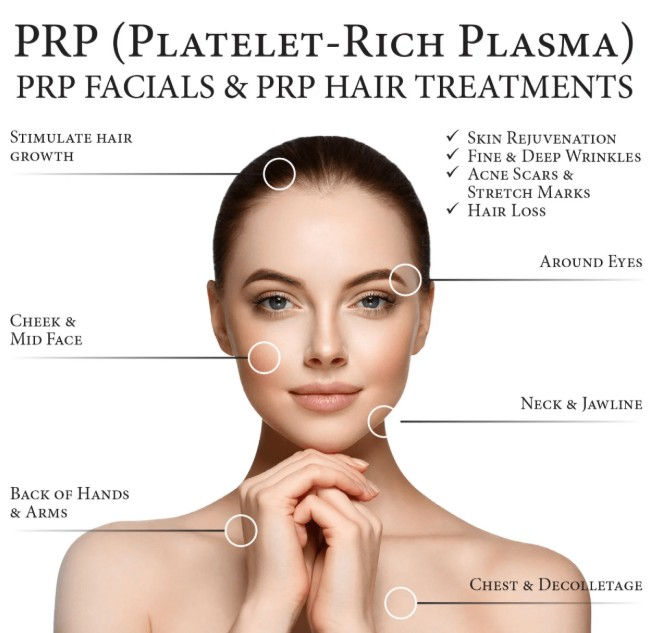
Regenerative Therapies (PRP)
In select cases, PRP may help restore damaged tissues when combined with acupuncture-based care.
What Patients Often Say After Starting Acupuncture
Many patients share similar experiences:
“I wish I had done this sooner.”
Common improvements include:
Reduced pain and fatigue
Improved sleep
Better digestion
Improved mood and mental clarity
Decreased reliance on medications
While not a “miracle cure,” acupuncture often becomes the turning point after years of stagnation.
Reframing the “Last Resort” Narrative
Acupuncture and Chinese medicine should not be seen as:
Desperation care
Experimental treatment
A final gamble
Instead, they represent a different medical philosophy—one that prioritizes regulation, restoration, and resilience.
Frequently Asked Questions (FAQ)
1. Is acupuncture really effective for chronic illness?
Yes. Research supports its use for chronic pain, fatigue, migraines, and inflammatory conditions.
2. Why didn’t my doctor recommend acupuncture sooner?
Many providers receive limited training in integrative medicine.
3. How long does it take to see results?
Some patients feel changes within weeks; chronic cases often require consistent care.
4. Can acupuncture help if nothing else has worked?
Yes. Many patients seek acupuncture after exhausting conventional options.
5. Does acupuncture replace medical care?
No. It complements conventional medicine.
6. Is acupuncture safe for complex conditions?
Yes, when performed by a licensed practitioner.
7. Will I need to stop my medications?
Not unless advised by your prescribing physician.
8. Is Chinese medicine evidence-based?
Yes. Thousands of modern studies support its mechanisms and outcomes.
9. Is it ever too late to try acupuncture?
No. Healing potential exists at every stage.
Your Last Resort Can Become Your Turning Point
If you are living with chronic illness and feel like you have run out of options, acupuncture and Chinese medicine may offer a new path forward—one focused on restoring function rather than managing decline.
👉 Visit https://www.azvalleyacu.com
📞 Call today to schedule your consultation and explore your next step toward healing.
Sometimes, the “last resort” is actually the missing piece.
Resources
National Center for Complementary and Integrative Health, NIH
World Health Organization – Acupuncture Indications


Comments