
How PRP Helps Acne Scars: A Natural, Regenerative Approach to Smoother Skin
- Dr. Nadine P. Baldwin, DAc, LAc

- Dec 22, 2025
- 4 min read
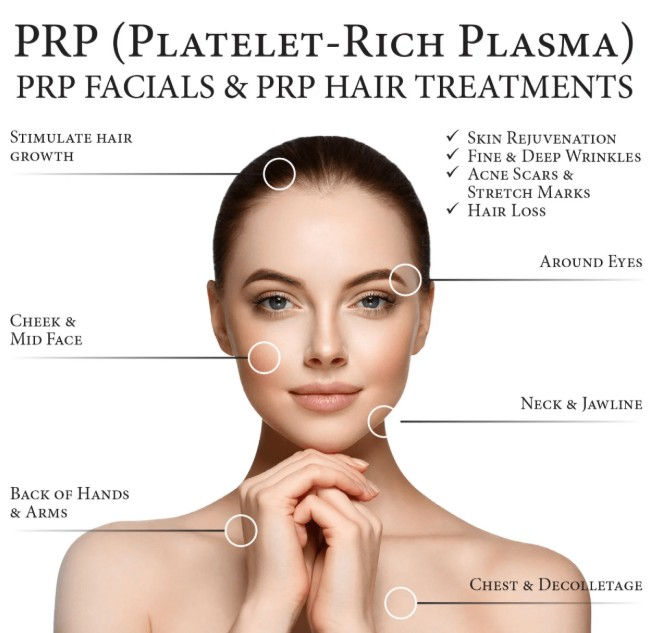
Acne scars can linger long after breakouts fade—affecting confidence, texture, and tone. For patients seeking a natural, minimally invasive treatment, Platelet-Rich Plasma (PRP) has emerged as a powerful option. Often called the “vampire facial” when paired with microneedling, PRP for acne scars uses your body’s own growth factors to stimulate collagen, repair damaged tissue, and improve skin quality over time.
In this guide, we’ll explain how PRP works for acne scars, who it’s best for, what results to expect, and how it compares to other treatments—so you can decide if it’s right for you.
What Is PRP (Platelet-Rich Plasma)?
Platelet-Rich Plasma is derived from a small sample of your own blood. After processing in a centrifuge, the platelet-rich portion—packed with growth factors and healing protein, is isolated and reintroduced into the skin.
Platelets play a key role in wound healing and tissue regeneration. When applied to acne-scarred skin, PRP signals the body to repair and rebuild, promoting smoother texture and healthier tone without synthetic fillers or harsh chemicals.
Understanding Acne Scars: Why They’re Hard to Treat
Acne scars form when inflammation damages the skin’s collagen matrix. The most common types include:
Atrophic scars (depressed scars such as ice pick, boxcar, and rolling scars)
Post-inflammatory hyperpigmentation (PIH) (dark marks, not true scars)
Hypertrophic scars (raised scars, less common on the face)
True acne scars involve collagen loss, which is why topical products alone rarely deliver meaningful improvement.
How PRP Helps Acne Scars
PRP addresses acne scars at the source—by stimulating the skin’s natural repair mechanisms.
1. Boosts Collagen and Elastin Production
PRP releases growth factors (including PDGF and TGF-β) that activate fibroblasts—the cells responsible for producing collagen and elastin. Over time, this helps fill in depressed scars and improve overall skin structure.
2. Accelerates Cellular Turnover and Healing
By enhancing blood flow and cell regeneration, PRP encourages faster healing and remodeling of scarred tissue, leading to smoother, more even skin.
3. Improves Skin Texture and Tone
Patients often notice refined pores, improved elasticity, and brighter skin—especially when PRP is combined with microneedling.
4. Enhances Results When Combined With Microneedling
Microneedling creates controlled micro-injuries in the skin. When PRP is applied immediately after, it penetrates deeper, amplifying collagen induction and improving scar outcomes compared to microneedling alone.
What to Expect During PRP Treatment for Acne Scars
Treatment steps typically include:
A small blood draw
Centrifugation to isolate PRP
Application or injection of PRP into targeted areas (often after microneedling)
Post-treatment calming serums and sun protection
Downtime:Mild redness or swelling for 24–72 hours is common. Most patients return to normal activities quickly.
Treatment plan:A series of 3–4 sessions spaced 4–6 weeks apart is often recommended for optimal scar remodeling.
PRP vs. Other Acne Scar Treatments
Treatment | How It Works | Considerations |
PRP | Regenerates collagen using your own growth factors | Natural, gradual results |
Laser resurfacing | Uses heat to remodel collagen | More downtime, higher cost |
Dermal fillers | Fills depressed scars temporarily | Not regenerative |
Chemical peels | Improves surface texture | Limited effect on deep scars |
PRP is especially appealing to patients who want a biologic, low-risk option that improves skin health over time rather than masking scars temporarily.
Who Is a Good Candidate for PRP Acne Scar Treatment?
PRP is ideal for patients who:
Have mild to moderate atrophic acne scars
Prefer natural treatments
Want minimal downtime
Are not pregnant and have no blood disorders
A personalized consultation is essential to determine candidacy and whether PRP should be combined with other modalities.
For patients exploring regenerative aesthetic options, treatments like PRP are commonly integrated into customized skin plans at Arizona Valley Acupuncture, where therapies are designed to enhance the skin’s natural healing response. Learn more about available options at👉 https://www.azvalleyacu.com/advancedcosmeticsolutions
How Long Do PRP Results Last?
PRP results develop gradually. Most patients see visible improvements in texture and tone within 6–12 weeks, with continued collagen remodeling for several months.
With proper skincare and maintenance treatments, results can last 12 months or longer.
Safety and Evidence Behind PRP
Because PRP uses your own blood, allergic reactions are extremely rare. The American Academy of Dermatology recognizes PRP as a regenerative treatment increasingly used in dermatology for skin rejuvenation and scarring (American Academy of Dermatology).
Frequently Asked Questions About PRP for Acne Scars
1. Does PRP really work for acne scars?
Yes. PRP stimulates collagen production, which helps improve depressed acne scars and skin texture over time.
2. Is PRP better than microneedling alone?
Studies show PRP enhances microneedling results, leading to faster healing and better scar improvement.
3. How many PRP sessions do I need for acne scars?
Most patients need 3–4 treatments, spaced about a month apart.
4. Is PRP painful?
Discomfort is minimal. A topical numbing cream is typically used before treatment.
5. Can PRP help with acne dark spots?
PRP can improve overall skin tone, but dark spots (PIH) may require additional treatments like peels or laser.
6. Is PRP safe for sensitive skin?
Yes. Since PRP is autologous (from your own blood), it’s well tolerated by sensitive skin types.
7. How soon will I see results?
Early improvements may appear within weeks, with continued improvement over several months.
8. Can PRP completely remove acne scars?
PRP significantly improves scar depth and texture, but complete removal may be unlikely for severe scars.
9. Can PRP be combined with other treatments?
Absolutely. PRP is often combined with microneedling or other regenerative treatments for enhanced results.
Take the Next Step Toward Smoother Skin
If acne scars are holding you back, PRP offers a natural, science-backed solution that works with your body—not against it. A personalized consultation can help determine the best approach for your skin goals.
📞 Call 602-699-6343 today to schedule your appointment and explore advanced regenerative treatments at👉 https://www.azvalleyacu.com/advancedcosmeticsolutions


How PRP Helps Acne Scars: A Natural, Regenerative Approach to Smoother Skin. PRP, or Platelet-Rich Plasma, offers a cutting-edge way to rejuvenate and smooth acne-scarred skin by harnessing your body’s natural healing powers. This treatment https://www.weddingbee.com/members/auluckywins/profile stimulates collagen production, helping to repair damaged tissue and restore a more even texture. It’s a process that feels as rewarding as a win at Luckywins, where the focus is on achieving something truly satisfying. With PRP, you’re not just masking scars—you’re encouraging your skin to heal and thrive naturally, giving you a fresh, confident glow.