Weeping Wounds and Integrative Medical Acupuncture
Weeping Wounds and Integrative Medical Acupuncture: A Whole-Person Approach to Healing
A wound that keeps leaking fluid can be frustrating, messy, uncomfortable, and sometimes alarming. For many patients, a “weeping wound” is not just a skin issue. It can affect sleep, mobility, confidence, clothing choices, and daily quality of life. In some cases, drainage is a normal part of healing. In others, too much drainage can signal inflammation, infection, poor circulation, or an underlying chronic condition that needs prompt medical attention.
That is where a whole-person model of care matters.
Modern wound care focuses on identifying the cause of the wound, protecting the skin, managing drainage, reducing infection risk, and supporting tissue repair. Integrative medical acupuncture may complement that process by helping address pain, stress, circulation, and the body’s broader healing response.
The key word is
complement. Acupuncture is not a substitute for wound evaluation, infection treatment, vascular assessment, diabetes care, or specialized dressings. But in the right clinical setting, it may be a meaningful part of a coordinated healing plan.
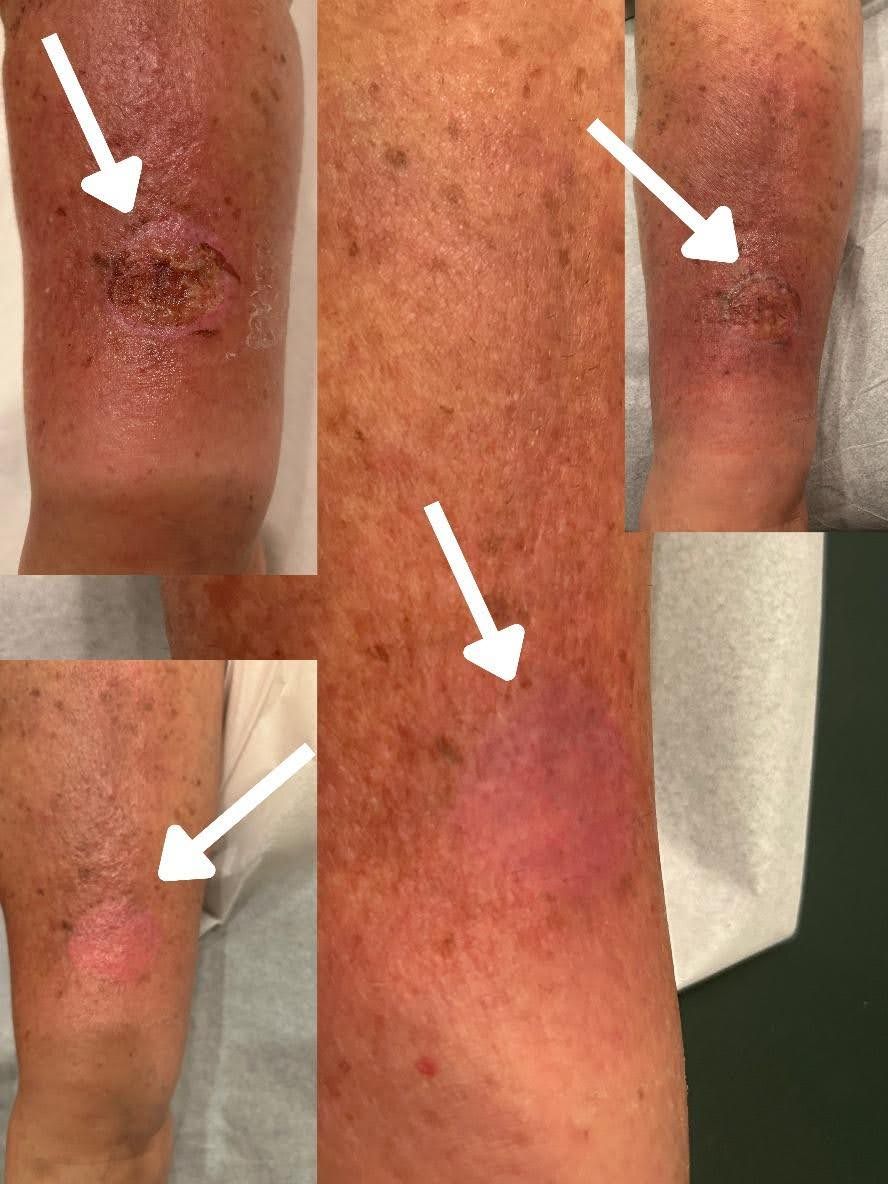
What Is a Weeping Wound?
A weeping wound is a wound that produces fluid, often called drainage or exudate. Some drainage is expected in healing wounds because fluid helps maintain a moist environment that supports tissue repair. Clear or pale yellow drainage can be normal in small amounts. Problems arise when drainage becomes heavy, persistent, foul-smelling, thick, or changes color in a way that suggests infection or delayed healing.
Common causes of a weeping wound include:
Why Some Wounds Keep Weeping
Inflammation and tissue damage
When skin and underlying tissue are injured, the body sends fluid and immune cells to the area. That response is part of healing, but too much inflammation can increase drainage.
Venous insufficiency and leg ulcers
Venous leg ulcers often produce significant drainage. Leg ulcers can be associated with swelling, skin changes, pain, and discharge, especially when venous circulation is poor.
Diabetes and poor wound healing
Diabetes-related nerve damage and poor blood flow can increase the risk of foot ulcers that heal poorly and become infected.
Infection
A wound may become infected when harmful bacteria multiply in the area. Warning signs can include increasing redness, warmth, swelling, worsening pain, pus-like drainage, or a bad odor.
Pressure, friction, or repeated irritation
A wound that is constantly rubbed, compressed, or not adequately protected may continue to leak and struggle to close.
When Is Drainage Normal, and When Is It a Red Flag?
One of the most important things patients can understand is that not all wound drainage is bad. Small amounts of clear or straw-colored fluid may be a normal part of healing. But heavier drainage can damage the skin around the wound, increase discomfort, and delay recovery if it is not managed properly. Wound experts note that exudate should be monitored for amount, color, consistency, and odor, because changes in those features can help guide treatment decisions.
You should seek prompt medical care if a wound has:
- rapidly increasing drainage
- foul odor
- thick yellow, green, or pus-like fluid
- spreading redness
- worsening pain
- fever or chills
- blackened tissue
- signs that the skin around the wound is becoming soggy or breaking down
These signs can suggest infection, tissue damage, or another issue requiring urgent evaluation.
Why Weeping Wounds Need More Than “Keeping It Dry”
Patients often assume the goal is to dry a wound out completely. In reality, wound healing typically does best in a balanced moist environment, not one that is overly wet or overly dry. Excess moisture can macerate the skin and slow healing, but too little moisture can also impair tissue repair. This is why modern wound care often involves selecting the right dressing to manage drainage while protecting the wound bed and surrounding skin.
Effective wound care may include wound cleansing, infection assessment, dressing selection, circulation support, offloading pressure, blood sugar control, and follow-up with qualified clinicians. That is also why patients with chronic drainage often benefit from a broader care plan rather than a one-size-fits-all solution.
For patients interested in restorative and supportive treatment options within an integrative practice, explore Recovery.
Where Integrative Medical Acupuncture Fits In
Integrative medical acupuncture is the use of acupuncture within a modern clinical framework. It does not ignore conventional medicine. Instead, it works alongside it. In wound-related care, that can mean using acupuncture as part of a plan that also includes wound assessment, dressing management, medical treatment, and follow-up.
So how might acupuncture help?
It may help manage pain
Pain can increase stress, reduce mobility, interfere with sleep, and make wound care more difficult. Acupuncture has been studied most extensively for pain conditions and may be helpful for some people when used appropriately.
It may support circulation and relaxation
Some wound-healing research and clinical discussions suggest acupuncture may influence local blood flow, nervous system regulation, and stress responses, all of which matter in recovery. However, the direct evidence for wound closure outcomes is still emerging and should be described carefully.
It may support whole-person care
Patients with chronic wounds often deal with fatigue, frustration, anxiety, poor sleep, and the emotional burden of slow healing. Integrative care aims to treat the person, not just the wound. That broader support may matter, especially when recovery is taking longer than expected.
What the Evidence Really Says
This is where honesty matters. The strongest acupuncture evidence today is still centered on pain and symptom support, not on a definitive claim that acupuncture alone heals chronic wounds. Evidence specifically focused on wound healing is still developing, with early research suggesting potential benefit but calling for more rigorous studies.
That means the most accurate message for patients is this: integrative medical acupuncture may support healing by helping with pain, stress regulation, and whole-person recovery, but it should be used as an adjunct to appropriate wound care, not as a replacement for it.
If you want to learn more about how integrative care may fit into a broader wellness plan, visit Recovery.
A Whole-Person Example
Imagine a patient with a chronically draining leg wound. The wound is uncomfortable, embarrassing, and hard to dress. They are sleeping poorly, feeling stressed, and avoiding social activities. Their medical team addresses circulation, dressings, infection risk, and skin protection. At the same time, integrative medical acupuncture may be added to help support pain control, calm the nervous system, and improve overall well-being during recovery.
That does not mean acupuncture replaces wound care. It means the patient is being treated like a whole person with both physical and emotional needs. For many people, that kind of support can make the healing journey feel more manageable and humane.
Podcast Spotlight: Watch the New Episode
🎧 New podcast episode is live!
We’re talking about weeping wounds and how integrative medical acupuncture can support healing, recovery, and whole-person care.
Discover how acupuncture may work alongside modern wound care to help patients heal from the inside out.
Watch now: https://youtu.be/xX0tMkqejpc
#IntegrativeMedicalAcupuncture #WeepingWounds #WoundHealing #Acupuncture #IntegrativeHealth #HolisticHealthcare #PodcastLaunch #HealthPodcast #NaturalMedicine #PatientSupport #WholeBodyHealing #ArizonaWellness
You can also learn more about services that support healing, wellness, and personalized care through Recovery.
When to Seek Medical Attention Right Away
A weeping wound should never be ignored if it is getting worse. You should contact a qualified healthcare professional promptly if you notice:
Signs of infection
Increasing redness, warmth, swelling, pain, odor, pus-like drainage, fever, or chills.
Poor circulation concerns
Cold skin, color changes, worsening swelling, or a wound that is not improving. Venous disease and diabetes can both complicate wound healing.
Delayed healing
If a wound is not improving over time, keeps reopening, or continues producing heavy drainage, it needs medical evaluation.
FAQ: Weeping Wounds and Integrative Medical Acupuncture
1. What is a weeping wound?
A weeping wound is a wound that leaks fluid, also called exudate or drainage. Some drainage is normal, but too much may indicate delayed healing or infection.
2. Is clear fluid from a wound normal?
Yes, small amounts of clear or pale yellow drainage can be normal. Heavy, foul-smelling, or thick drainage should be checked by a clinician.
3. What causes a wound to keep weeping?
Common causes include inflammation, infection, venous insufficiency, diabetes-related healing problems, and repeated irritation.
4. Can acupuncture heal a wound by itself?
No. Acupuncture should not replace proper wound care. It may be used as an adjunct to support pain, stress regulation, and overall recovery.
5. Is integrative medical acupuncture safe?
When performed by a trained practitioner using sterile technique, acupuncture is generally considered safe for many patients.
6. Can acupuncture help with wound pain?
It may help some patients with pain management, which can make the healing process more comfortable.
7. Should I use acupuncture if my wound looks infected?
An infected wound needs medical evaluation right away. Acupuncture should only be considered within a coordinated care plan after appropriate medical assessment.
8. Do wounds heal better dry or moist?
Most wounds heal best in a balanced moist environment, not when they are excessively wet or dried out.
9. When should I call a doctor about wound drainage?
Call if drainage increases, changes color, develops odor, or is paired with pain, redness, swelling, or fever.
Final Thoughts
Weeping wounds are more than a surface problem. They can be a sign that the body needs skilled support, careful monitoring, and a thoughtful treatment plan. Modern wound care remains the foundation. Integrative medical acupuncture may offer additional support for the person behind the wound by helping address pain, stress, and the broader recovery experience.
If you or someone you love is dealing with a wound that is slow to heal, the next step is not guesswork. It is expert evaluation and coordinated care. Visit the practice home page and call to schedule your appointment. You can also explore Recovery to learn more about the practice’s approach to personalized care.
Resources
- National Center for Complementary and Integrative Health. “Acupuncture: Effectiveness and Safety.” U.S. Department of Health and Human Services.
- Centers for Disease Control and Prevention. “Your Feet and Diabetes.”
- NHS. “Venous Leg Ulcer.”
- Cleveland Clinic. “Serous Drainage.”
- University Hospitals Sussex NHS Foundation Trust. “Identifying a Wound Infection.”
- Wounds UK. “Exudate” and exudate management resources
Interested In Services?
We'd love to help you take the next step. Call us today to ask questions or schedule your appointment — our team is here and ready.
Share This post