
Lupus, EBV, and Integrative Acupuncture Support
How Integrative Medical Acupuncture May Support Patients With Lupus While Researchers Study the EBV Link
When people hear that Epstein-Barr virus, or EBV, may be linked to lupus, the next question is often what supportive therapies may help. This is an important topic, but it needs careful wording. EBV has been associated with systemic lupus erythematosus, or SLE, for decades, and newer studies continue to strengthen the biological case for a connection. At the same time, that does not mean EBV is the only cause of lupus. Lupus is a complex autoimmune disease shaped by genetics, immune dysregulation, hormones, and environmental triggers. EBV is best understood as one important piece of that larger picture.
The most medically responsible takeaway is that integrative medical acupuncture may help some patients with pain, stress-related symptom burden, sleep, and quality of life, while standard lupus care remains the foundation of treatment. The National Center for Complementary and Integrative Health describes acupuncture mainly as an evidence-based option for selected pain and symptom conditions, not as a replacement for physician-guided treatment.
If you are looking for a conservative, supportive, whole-person approach alongside your physician-led care,
Arizona Valley Acupuncture may be one place to explore integrative options.
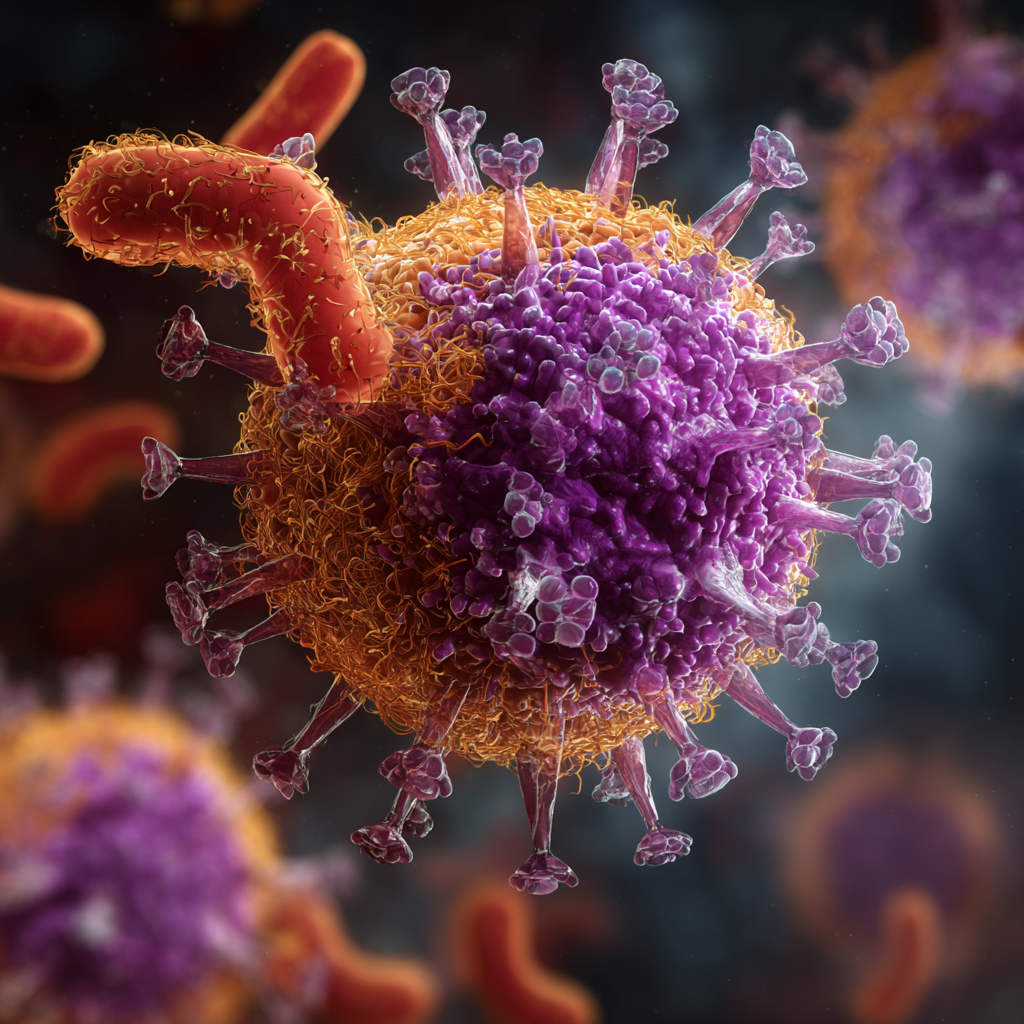
First, What Does “Viral Load” Actually Mean?
“Viral load” usually refers to the amount of viral genetic material detected in a sample, often by PCR testing. With EBV, that measurement has its clearest established clinical role in certain EBV-associated malignancies and in some immunocompromised settings, such as transplant medicine. In lupus, the meaning is more nuanced. Some studies have found higher rates of EBV DNA positivity or signs of EBV reactivation in SLE cohorts, but that does not automatically make EBV testing or EBV-directed treatment a routine target in everyday lupus care.
That matters because patients can hear “EBV” and assume the answer is simply to reduce a number on a lab test. In reality, lupus care is broader than that. The clinical question is usually how to control autoimmune disease activity, reduce flares, protect organs, and improve daily function.
How Are Lupus and EBV Connected?
The EBV-lupus connection is an active area of mainstream immunology research. Reviews in the medical literature report that EBV has been repeatedly associated with SLE and may contribute to immune dysregulation, inflammation, and autoantibody generation. More recently, a 2025 study summarized by Nature Reviews Rheumatology described a mechanistic link in which EBV reprogrammed autoreactive B cells into pathogenic antigen-presenting cells, helping explain how viral persistence might amplify autoimmunity in lupus.
This does not mean EBV causes lupus in a simple one-virus-one-disease way. EBV infects most adults at some point in life, while only a small fraction develop lupus. The current evidence fits better with the idea that EBV may act as a trigger or amplifier in susceptible people rather than a sole cause.
Clinical studies also support an association between EBV activity and lupus disease patterns. In one Clinical Rheumatology study, treatment-naive and treated SLE patients had higher EBV DNA positivity and higher viral DNA copies in peripheral blood mononuclear cells than controls. These findings are important, but they still stop short of proving that directly targeting EBV DNA is an established treatment strategy for lupus itself.
Where Integrative Medical Acupuncture Fits In
Integrative medical acupuncture may have a role in supporting the person living with lupus. In practice, that means it may be used as an adjunct for symptom relief, stress regulation, musculoskeletal pain, sleep disruption, and overall quality of life, depending on the patient’s presentation. NCCIH describes acupuncture mainly as an evidence-based option for selected pain and symptom conditions, not as a stand-alone treatment for lupus itself.
That distinction is especially important in lupus, because patients may already be managing fatigue, joint pain, headaches, neck and shoulder tension, medication side effects, and the emotional strain of a chronic autoimmune illness. A supportive therapy does not have to change a lab value to still be clinically useful. It may help improve how a patient feels and functions while rheumatology care addresses disease control.
For readers who want a more comprehensive wellness framework, Arizona Valley Acupuncture offers an integrative setting that can complement physician-guided care.
What the Lupus-Acupuncture Research Actually Shows
The direct lupus literature on acupuncture is still limited. Small studies and meta-analyses suggest acupuncture may have supportive value when used with conventional care, but the evidence base is not large or uniform. A pilot randomized controlled trial in Lupus found that a standardized acupuncture protocol was feasible and safe to study in SLE, with research focused on symptoms such as pain and fatigue. A later meta-analysis also evaluated acupuncture combined with conventional pharmacotherapy in SLE, but this literature remains heterogeneous and does not justify sweeping claims.
That makes the safest evidence-based framing this: acupuncture is best viewed as an adjunctive symptom-management tool within a broader care plan, not as a replacement for rheumatology care.
Is There a Biological Reason Acupuncture Might Still Matter?
Possibly, but this is where it is important to separate mechanism from proof.
There are reviews suggesting acupuncture may influence neuroimmune pathways and help modulate inflammatory signaling, including shifts in immune-cell balance and cytokine activity. Those theories are interesting and biologically plausible, but mechanistic discussions are not the same thing as definitive clinical proof for lupus outcomes. The practical value for patients is better framed around symptom support, stress regulation, and whole-person care.
In other words, it is reasonable to discuss acupuncture as part of integrative support for a patient living with lupus. It is not responsible to oversell it as a cure or as a stand-alone answer to a complex autoimmune disease.
Where Chinese Herbs Belong in the Conversation
Chinese herbal medicine is also part of traditional Chinese medicine, and some lupus-related studies and reviews suggest it may have supportive effects on disease activity or steroid-sparing outcomes when used alongside conventional care. A 2021 systematic review and meta-analysis of randomized placebo-controlled trials reported that Chinese herbal medicine showed beneficial effects on disease activity measures and glucocorticoid dose reduction in SLE, but the authors also noted the need for better-structured studies and longer treatment duration.
That is different from proving that Chinese herbs reliably reduce EBV viral activity in people with lupus. The strongest educational wording is that Chinese herbal medicine is being studied as a supportive adjunct in SLE, not that it has been conclusively proven to target EBV in this setting. Safety also matters. Herbal products can interact with prescription drugs, and that is especially important for patients taking immunosuppressants or other lupus medications.
For patients interested in an integrative framework, Arizona Valley Acupuncture can be part of a broader conversation about supportive care.
What Patients With Lupus Should Do With This Information
If you have lupus and are concerned about EBV, the first step is not self-treating a lab concept. It is discussing your symptoms, flares, infections, and medication plan with your rheumatologist or other treating clinician. The EBV-lupus connection is scientifically important, but lupus management still centers on disease activity, organ protection, and coordinated medical care.
If your care team feels integrative support is appropriate, acupuncture may be worth considering for symptom management, especially if pain, tension, sleep issues, or stress are part of your picture. Chinese herbal medicine may also be part of an individualized integrative plan, but only with qualified oversight because evidence and safety considerations are still evolving.
That is where a coordinated, whole-person strategy can help. Patients often do better when supportive care is layered around standard medical treatment rather than used instead of it. Arizona Valley Acupuncture can be part of that broader conversation.
What This Article Is Not Saying
It is not saying acupuncture cures lupus. It is not saying Chinese herbs should replace rheumatology care. And it is not saying EBV is the only cause of lupus. Those claims would go beyond the evidence.
What this article is saying is more measured: medical journals increasingly support a meaningful EBV-SLE connection, and integrative care may play a supportive role for some patients. The strongest evidence for acupuncture is around symptom support and quality of life, while Chinese herbal medicine remains an area of interest that should be used carefully and collaboratively within a physician-guided plan.
FAQ: Lupus, EBV, and Integrative Medical Acupuncture
1. Is Epstein-Barr virus linked to lupus?
Yes. Multiple medical journals have reported an association between EBV and SLE, and newer mechanistic work strengthens the case that EBV may help drive autoimmune activity in susceptible people.
2. Does EBV cause lupus by itself?
Not based on current evidence. EBV appears to be one contributing factor in a much more complex autoimmune disease process.
3. Do people with lupus have more signs of EBV activity?
Some studies have found higher EBV DNA positivity or higher viral DNA copies in SLE groups than in controls, but the clinical meaning varies by setting.
4. Can acupuncture help people with lupus?
It may help some patients with pain, tension, stress-related symptoms, and overall quality of life as part of an integrative plan.
5. What can Chinese herbs potentially help with in lupus?
Chinese herbal medicine has been studied as an adjunct to conventional care and may support disease activity measures or steroid-sparing goals in some settings, but it should be used carefully and under professional supervision.
6. Should acupuncture or herbs replace rheumatology care?
No. Complementary care should be used alongside, not instead of, physician-guided lupus treatment.
7. Why are people interested in the EBV-lupus connection?
Because understanding that link may eventually improve how researchers think about lupus triggers, flares, and future targeted therapies.
8. Are Chinese herbs automatically safe because they are natural?
No. Herbal products can have side effects and drug interactions, which is especially important for patients on lupus medications.
9. What is the most accurate takeaway for patients?
EBV is relevant to lupus research, while acupuncture and Chinese herbal medicine may have supportive roles in whole-person care when used appropriately alongside conventional treatment.
Final Thoughts
The connection between lupus and Epstein-Barr virus is scientifically important and increasingly supported in the medical literature. But translating that into patient care requires caution. Right now, the strongest educational message is that integrative medical acupuncture may support symptom relief and quality of life, and Chinese herbal medicine may have a supportive adjunctive role in some patients, while evidence-based lupus care remains the foundation.
If you want a thoughtful, integrative approach that works alongside conventional care, visit Arizona Valley Acupuncture and call to schedule an appointment.
Resources
National Center for Complementary and Integrative Health. “Acupuncture: Effectiveness and Safety.” Accessed April 1, 2026.
Babcock, A. A., et al. “Epstein Barr Virus and Autoimmune Responses in Systemic Lupus Erythematosus.” Frontiers in Immunology, 2020.
Ma, B., et al. “Clinical Characteristics of SLE Patients Infected with Epstein-Barr Virus and Potential Associated Risk Factors.” Clinical Rheumatology, 2022.
Wang, Y., et al. “Chinese Herbal Medicine for Systemic Lupus Erythematosus: A Systematic Review and Meta-analysis of Randomized, Placebo-Controlled Trials.” Chinese Journal of Integrative Medicine, 2021.
“Efficacy and Safety of Acupuncture Therapy Combined With Conventional Pharmacotherapy in the Treatment of Systemic Lupus Erythematosus: A Systematic Review and Meta-analysis.” Medicine, 2023.
“Mechanistic Link Uncovered Between EBV Infection and SLE.”
Nature Reviews Rheumatology, 2025.
Interested In Services?
We'd love to help you take the next step. Call us today to ask questions or schedule your appointment — our team is here and ready.
Share This post